My solo filmmaking experience began when I was 13 years old and won the bus safety video competition like I shared in the instagram video here. But never did I think I would make an award winning documentary 11 years later – by myself. I was hesistant to make this post because who am I? I am just a girl from North Carolina who likes films and storytelling. I’ve shared some of the why behind my journey here but I am by no means an expert.
But then I thought, “Wait. There are probably people just like me who wanna start filmmaking and don’t got much” Maybe you want to make a film but have no experience or support and don’t know where to start. As someone who still considers herself a beginner, I want to help other beginners also figure this out. These are things I considered while I made my first film:
1. What Is the Story You Wanna Tell?
THIS is key. Once you figure out your story you can figure out everything else. What is inspiring you to make this film? Was it a struggle? Do you want to expose something? Do you want it to uplift someone else?
The reason why it’s so important to lay this out and make the purpose clear is because the days you are tired you are going to need to remember your why.
For example, for me I probably took 9 months or so when I did not touch the camera. If I didn’t remember the why behind the film, I could have decided to throw the whole film to the grave. But once you understand the story you want to tell and why you wanna tell it, you are golden.
2. Think About Budgeting, Trips, Feasibility with Schedule
Everyone’s budget is different. But I do try my best to give y’all tips on budget-friendly options. Your budget will determine what you will or won’t be able to do. For example, once you know your story, you can determine whether you need to travel or not to film or if you need to get PTO for shoot days. It also allows you to determine if you have the funds to invest in a more expensive camera or equipment.
And lastly, it allows you to give yourself an appropriate timeline. If you know money is going to be tight at certain points, you can make a realistic end date goal.
3. Get A Cheap Camera (Or Use Camera Phone)
Repeat this after me: You don’t need an expensive camera.
If your cellphone’s camera is all you got and all you can afford, that’s okay. Start with what you got. Don’t let lack of equipment stop you from releasing a beautiful story that you hold that the world needs to see.
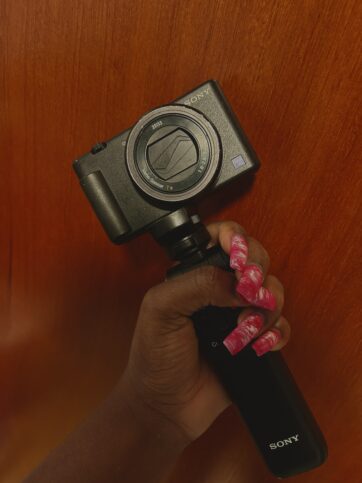
I used the Sony ZV E-1, which is a popular Youtube vlogger camera. On walmart’s website here, it looks like the price is much more than when I originally bought it in 2021. But I think this may be because I bought this during Black Friday sales – which I advise to do if you want cheaper prices! Or look into monthly payment plans which would make it much more affordable.
One thing I have learned though is that cameras oftentimes are worth the investment especially if you are doing solo filmmaking. So if you have the means to do so, I do recommend purchasing it.
4. Buy Some Lights & Tripod
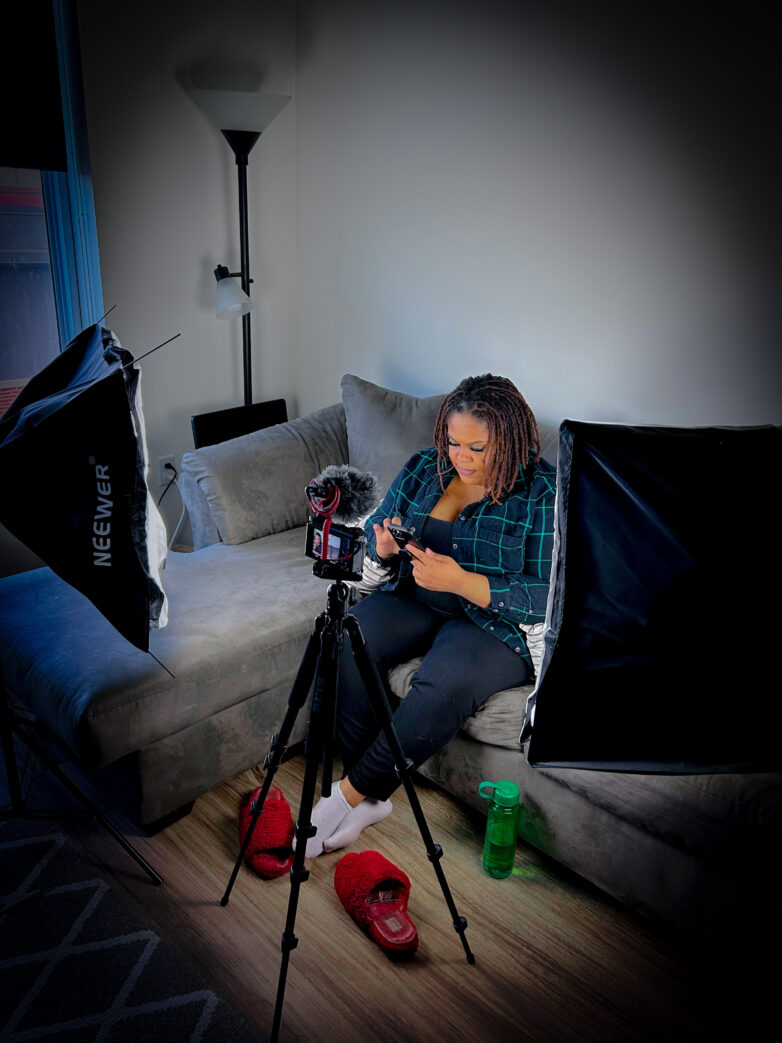
Lights are a must. You can get a hella expensive light box online. But I purchased one of the cheapest, yet still effective and strong lights from amazon. The one here aren’t the exact lights I purchased but close enough. But once again, if lights are out of the budget, always aim to face the natural light coming from the window.
Also, invest in a good tripod. I really do mainly look for cheap options so I did get a cheaper tripod but it broke and eventually had to get a more expensive one at a local tech store. So I learned the hard way that sometimes it’s better to get the more expensive one if the quality is better.
5. Submit to Low Stakes Film Festivals
This something I have had to learn via trial and error. One day, I will probably talk more about the process of submitting to film festivals, etc.
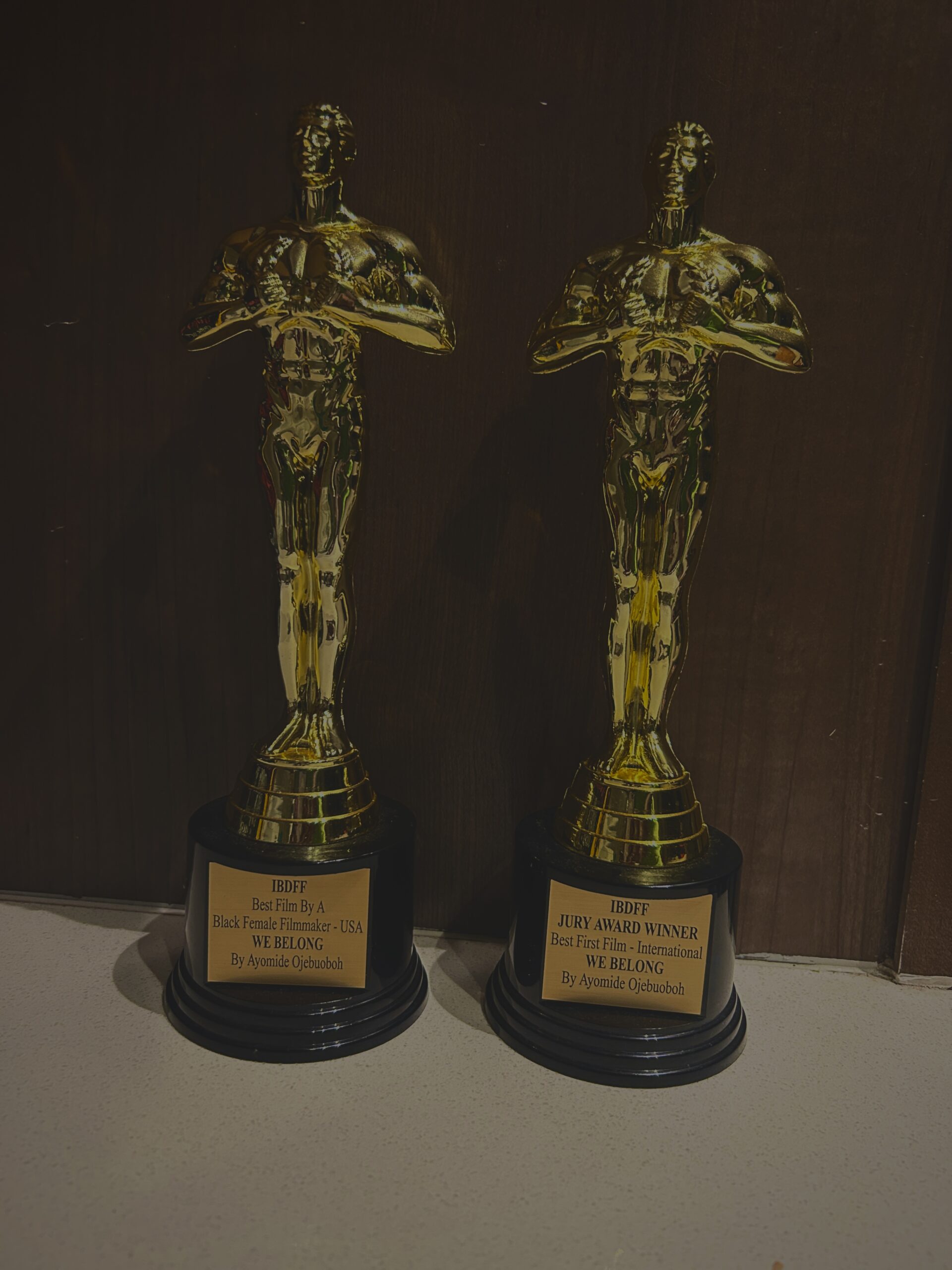
But film festivals are an opportunity to show your film, network and win awards. I don’t like focusing on things like “awards” or prestige. In fact, I did not plan on winning, was just happy to have my film accepted to the festival. But having an award winning film can open up other doors.
Another thing I’ve learned is that when you are embarking on a solo filmmaking journey, you are in competition with others who have whole sets of teams. So for example, the quality of my film probably does not compare to the quality of those who had a whole team, a whole set, etc. But guess what? That’s okay. Embrace that. You made a film on your own. That’s an accomplishment! But due to this I also recommend submitting to lower stake film festivals. Like local ones in your hometown instead of big ones like Sundance film festival or American Black Film Festival. Still shoot your shot, but I’ve noticed that smaller scale ones are more intimate and also give you a better chance of winning awards and meeting people. Only caveat of submitting to film festivals is that they come at a cost. So it can add up paying to submit to film festivals all the time.
Hope these tips gives you the courage to start your solo filmmaking journey! If you would like me to make a whole series on this comment below or shoot me a message 🙂